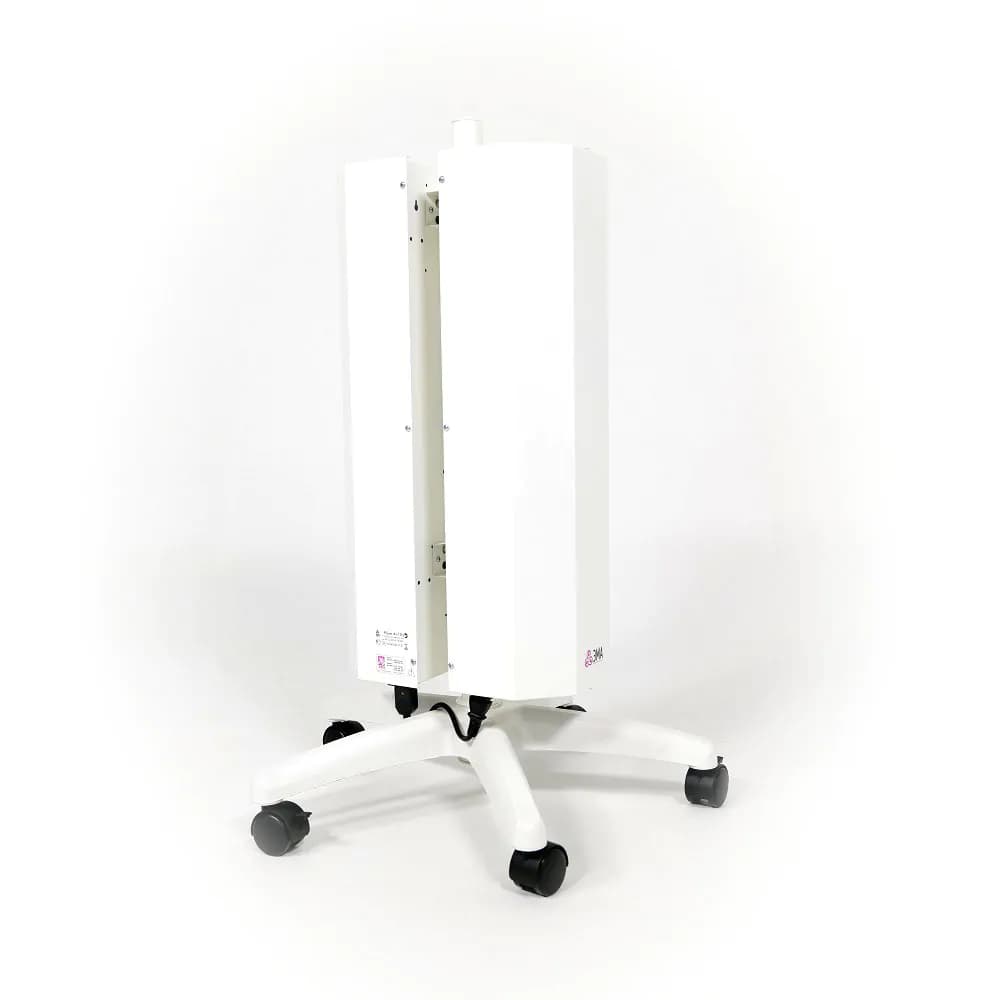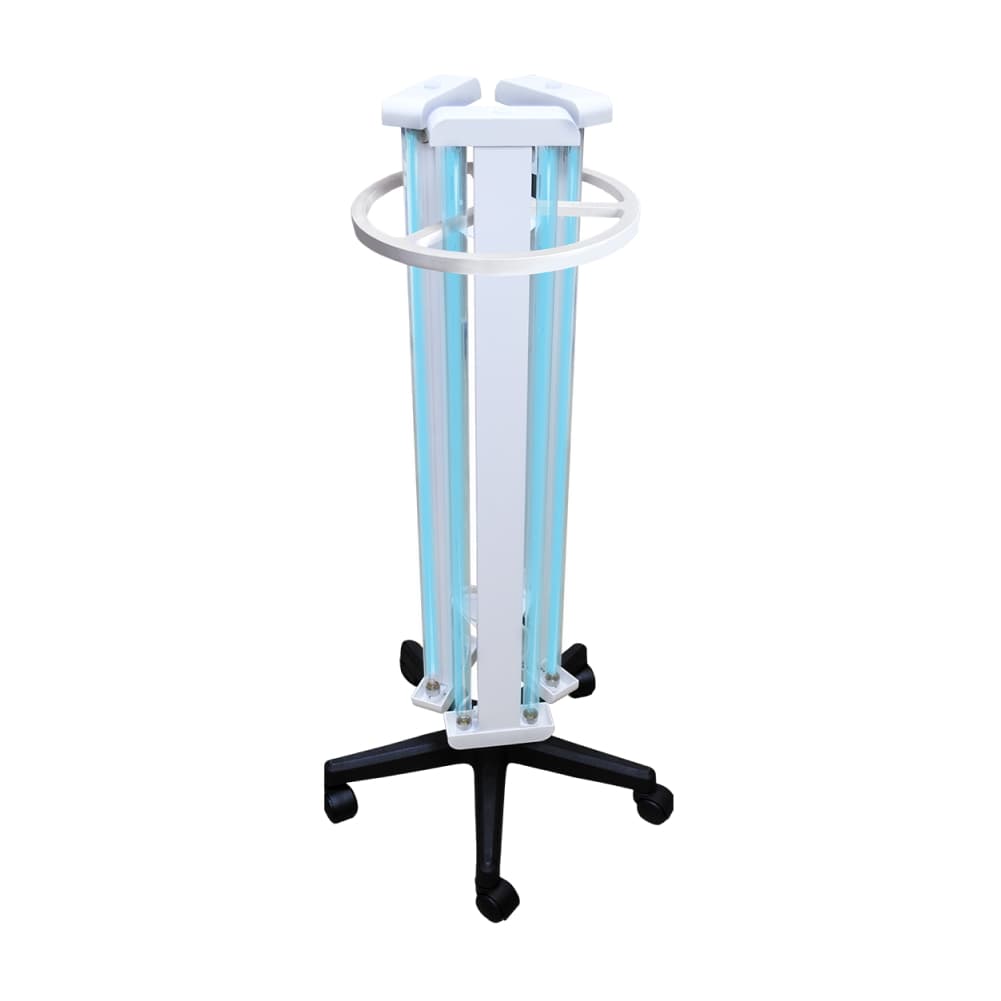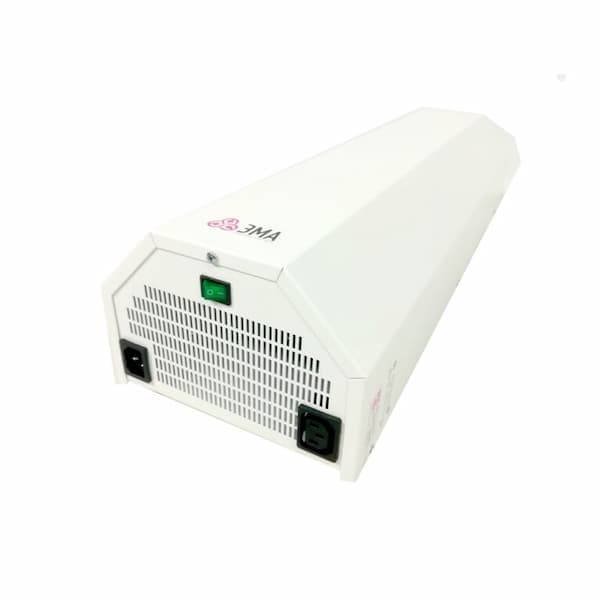
Bactericidal wall-mounted recirculator RBm 4X15 (110 cubic meters/hour)
In recirculators, the bactericidal flow from the lamps is distributed in a limited small enclosed space and has no outlet to the outside, while the air is disinfected during its pumping through the ventilation openings of the recirculator.
In recirculators, the bactericidal flow from the lamps is distributed in a limited small enclosed space and has no outlet to the outside, while the air is disinfected during its pumping through the ventilation openings of the recirculator. Bactericidal recirculators have been known to the world for more than 100 years, and their effectiveness has been confirmed by numerous tests and many years of practical application.
During all this time, it has been established that radiation with a wavelength of 253.7 nm has the greatest bactericidal effect, which causes bacteria to die off, damage their DNA, and destroy them at the cellular level.
What types of bacteria are killed by germicidal recirculators? Viruses: coronavirus infection (COVID-19), the causative agent of hepatitis A, polyvirus, rotaviruses, influenza viruses (including H5N1 avian influenza [2]), MS-2 Coliphase; Bacteria, including dysentery bacilli, tuberculosis bacillus, salmonella, staphylococcus, streptococcus, and others.
There are more than 40 varieties in total; Yeast fungi; Mold spores; Protozoa and algae. The RBm 4X15 bactericidal wall-mounted recirculator (110 cubic meters/hour) has a modern design and does not create noise during operation.
The device parts are coated with polyester powder paint. Imported components are used in the recirculator design and radio interference filters are installed.